· Process
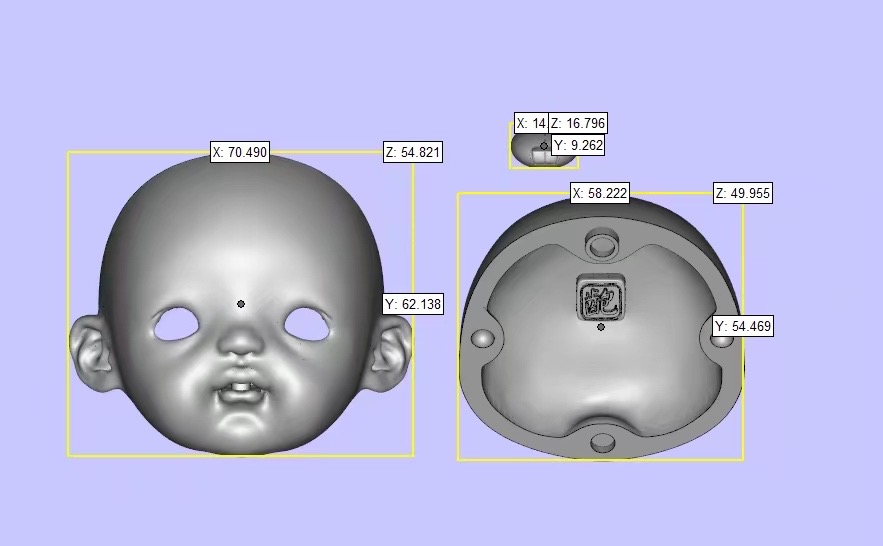
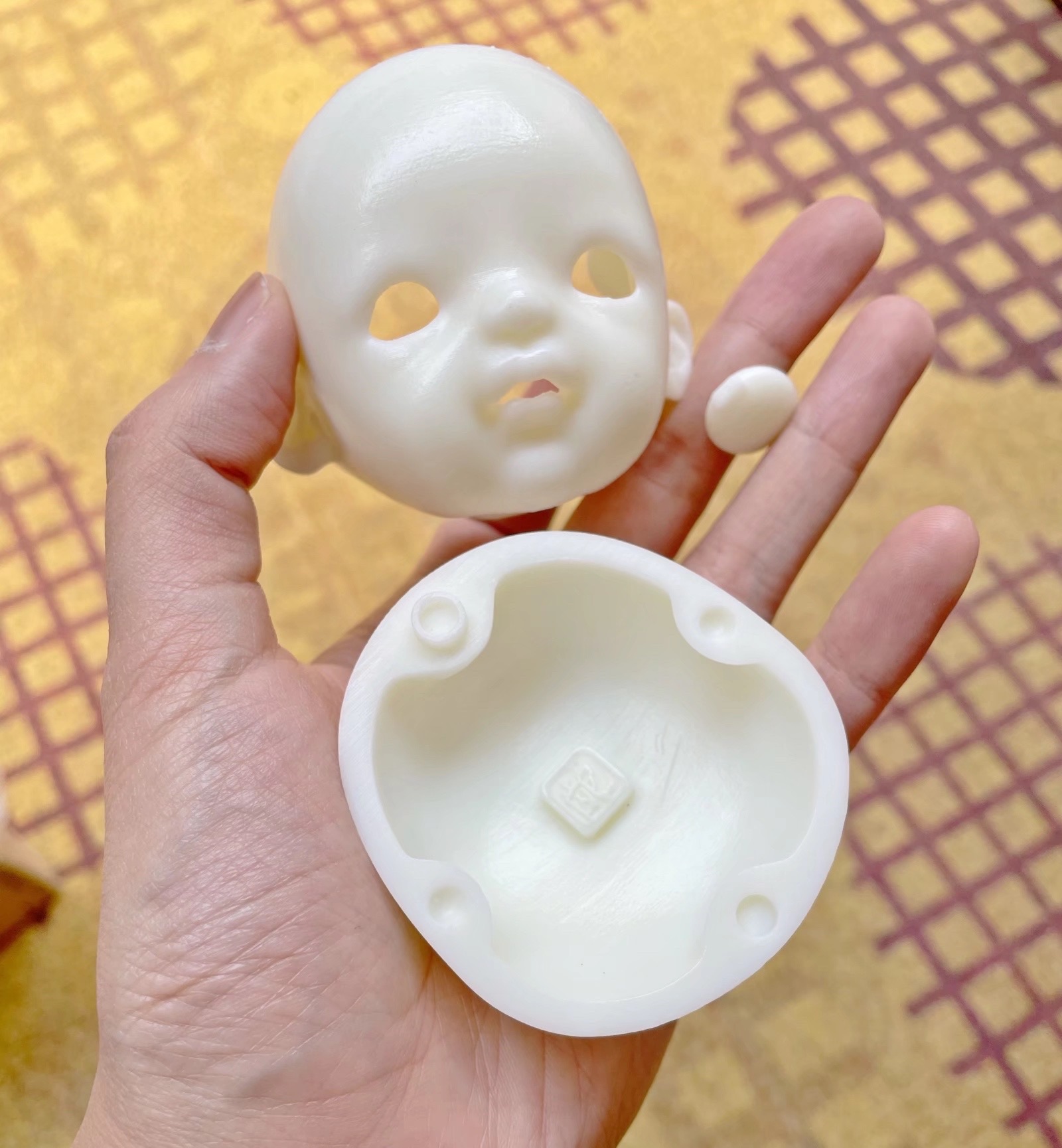
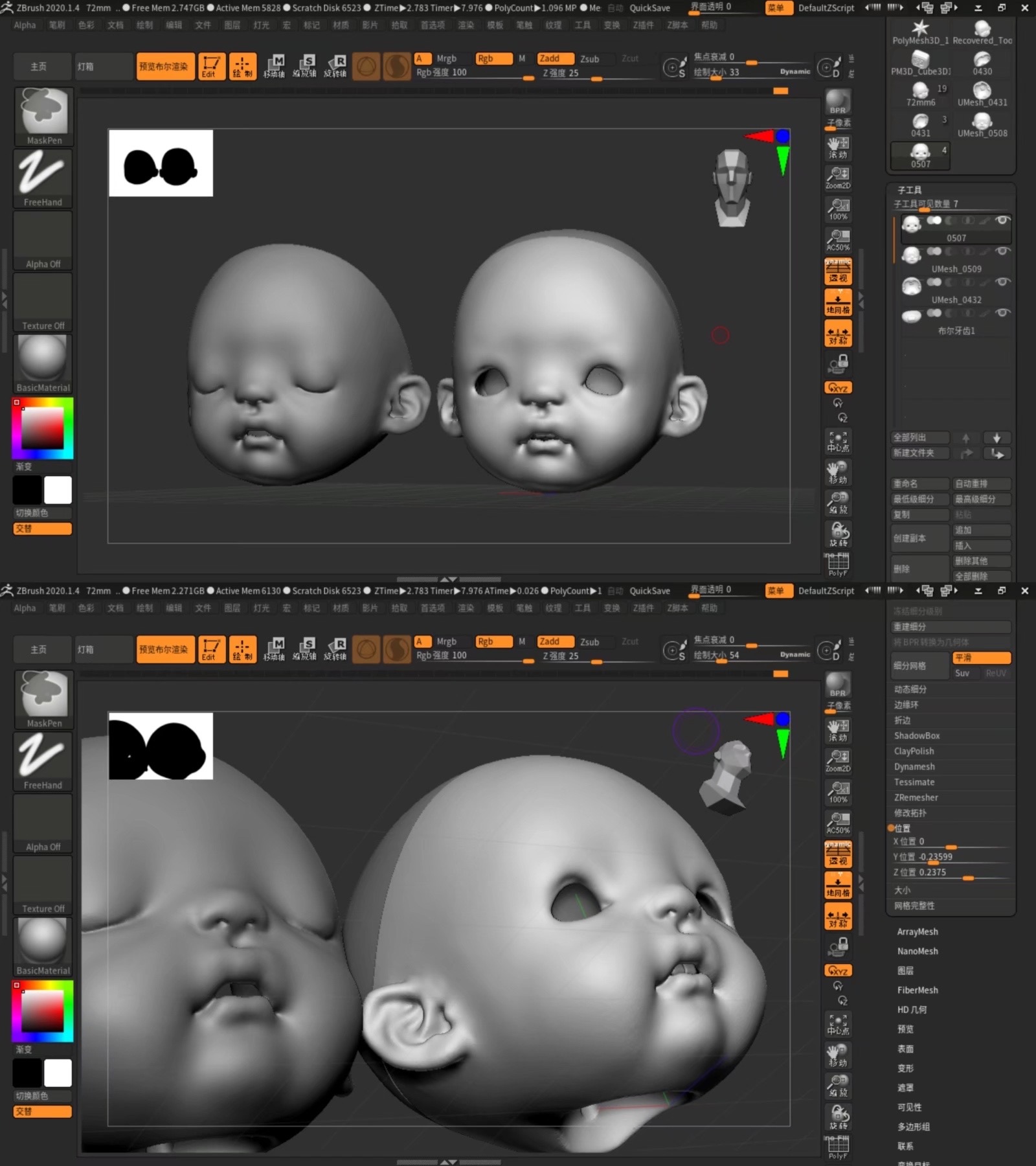
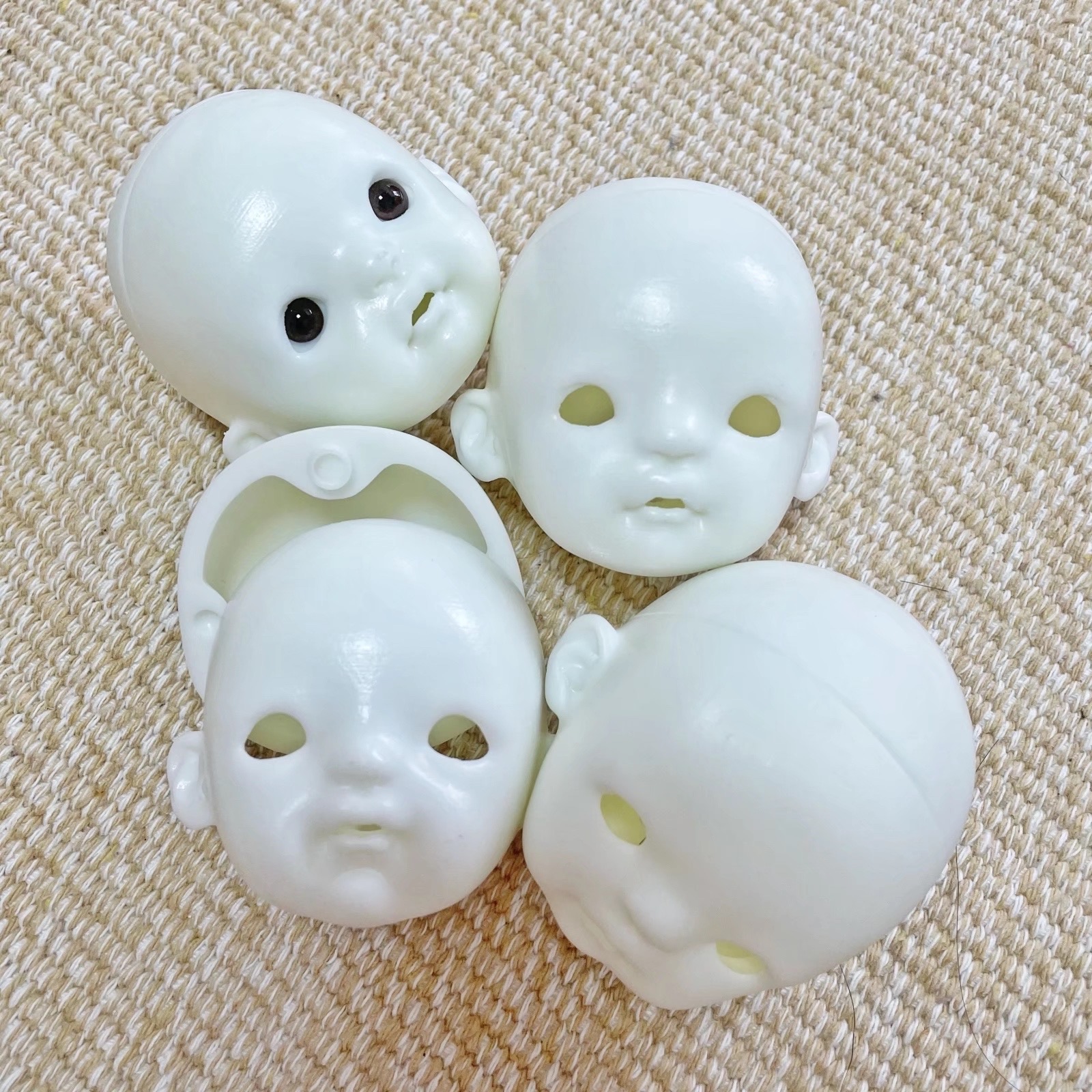
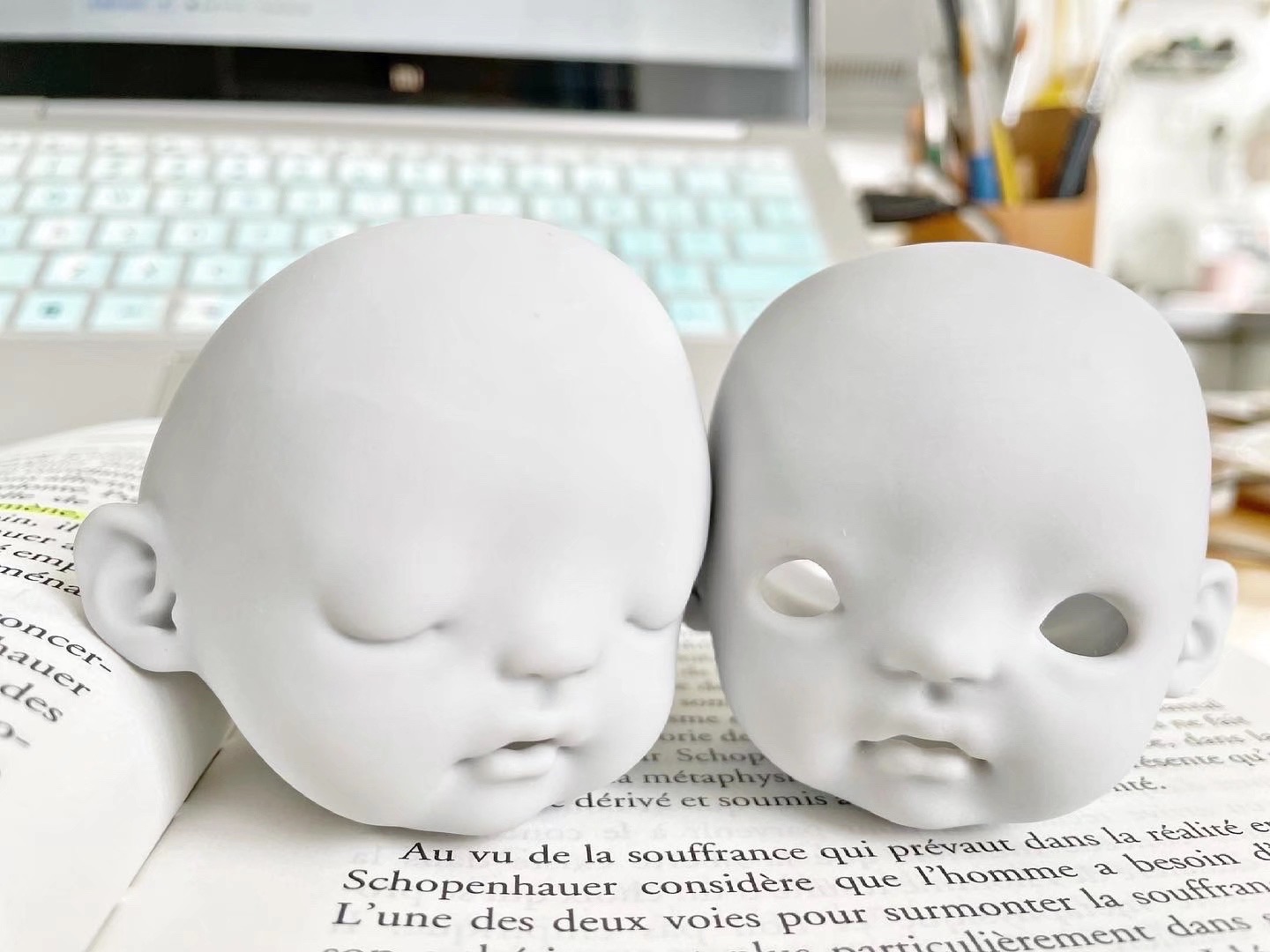
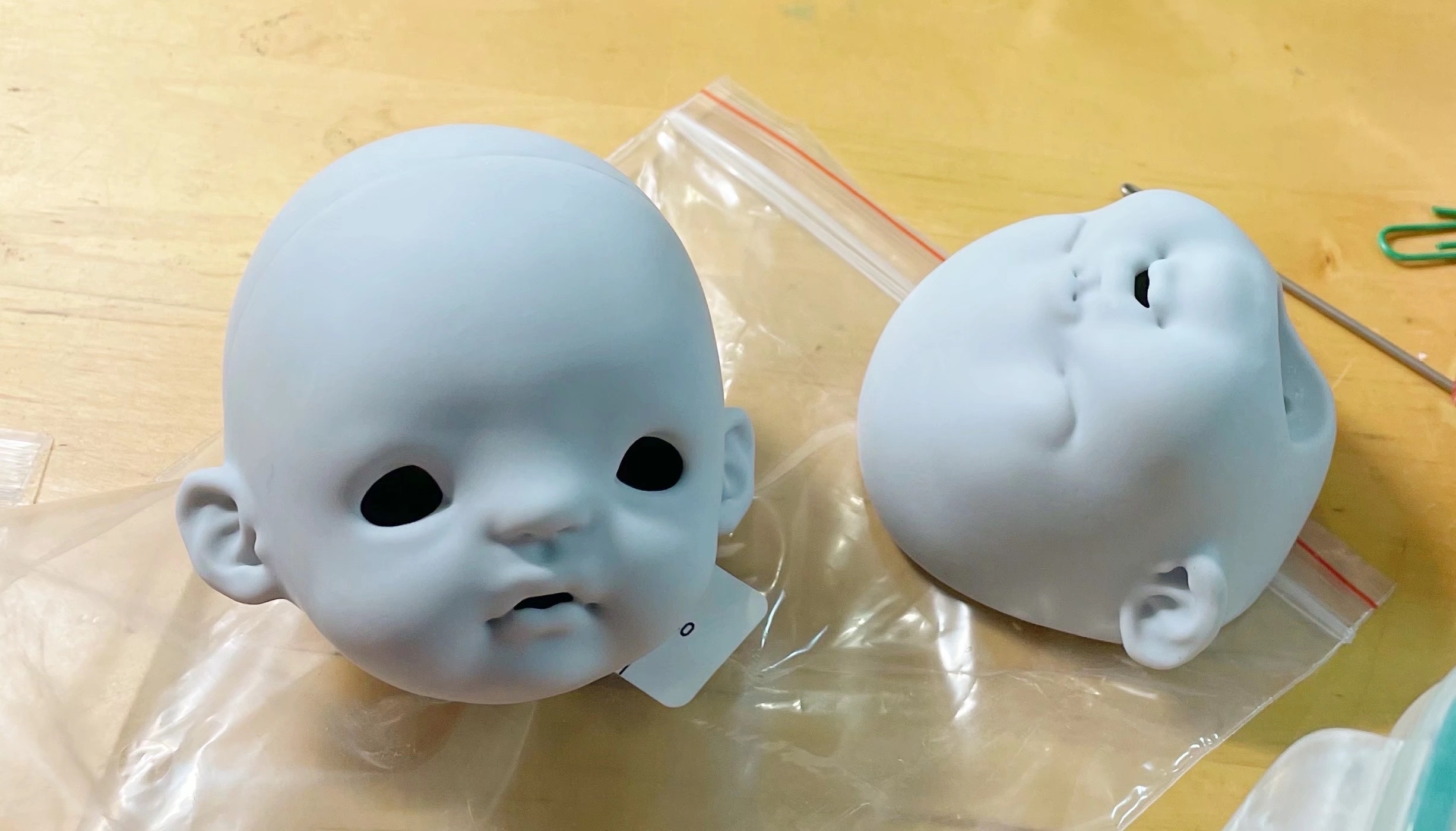
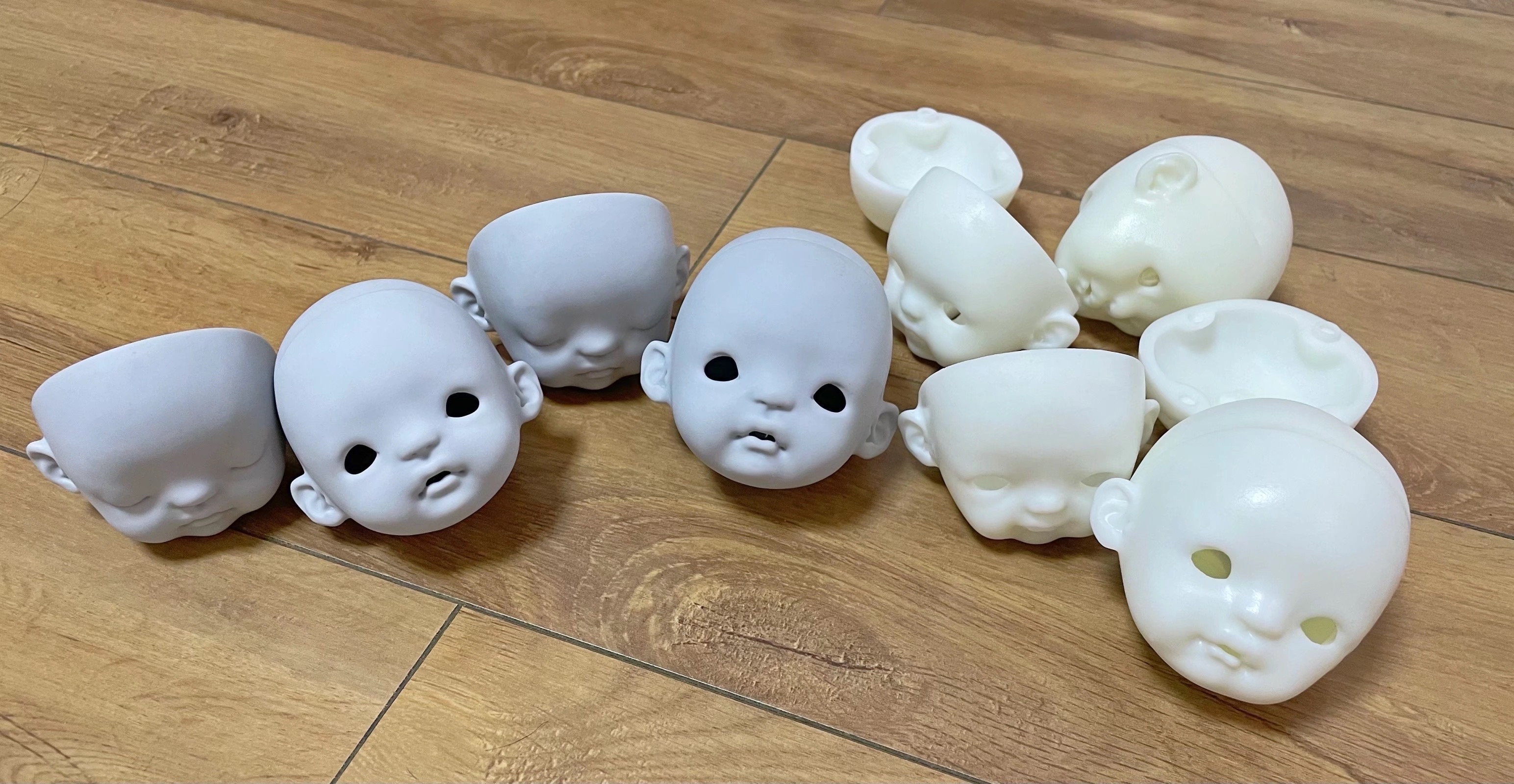
To better sculpt Bao, I took a one-week course on the 3D application ZBrush. This is also the first doll I’ve sculpted entirely independently—using only digital tools, without any clay.
·Inspiration
My third doll is called “龅Bao.” You might notice that her name sounds similar to my second doll’s—that’s because in Chinese, different characters can share the same or similar pronunciations. The left part of “龅” is a radical related to teeth, while the right part, like in my first two dolls, indicates the pronunciation “bao.” And “bao” is also part of my nickname as a doll artist, “boto.”
When I began conceptualizing this doll, I became fascinated by the history of China’s Tang Dynasty (618–907 AD). So I decided to use this dynasty as the core concept for my third doll and started exploring more details of daily life during that period.
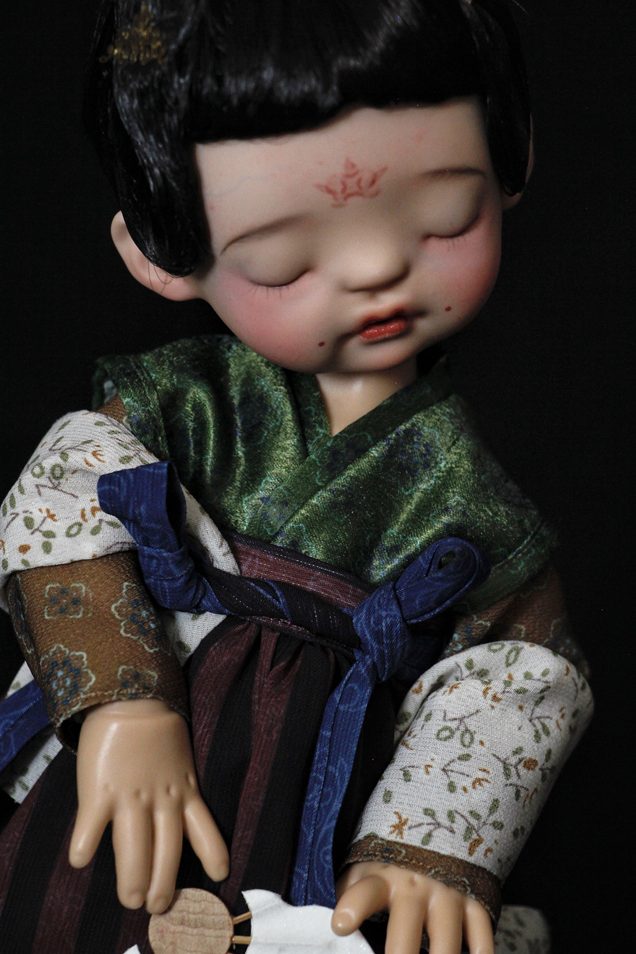
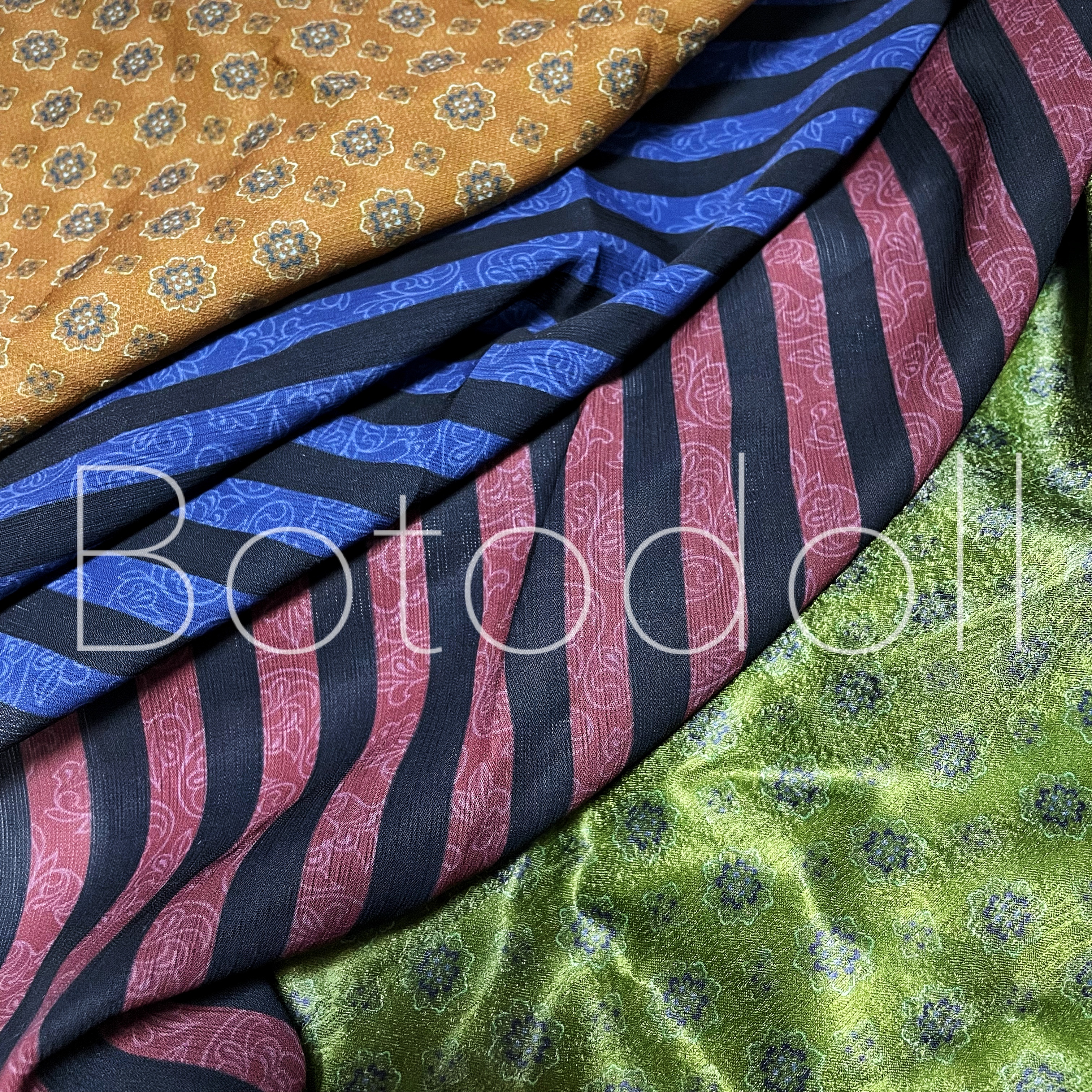
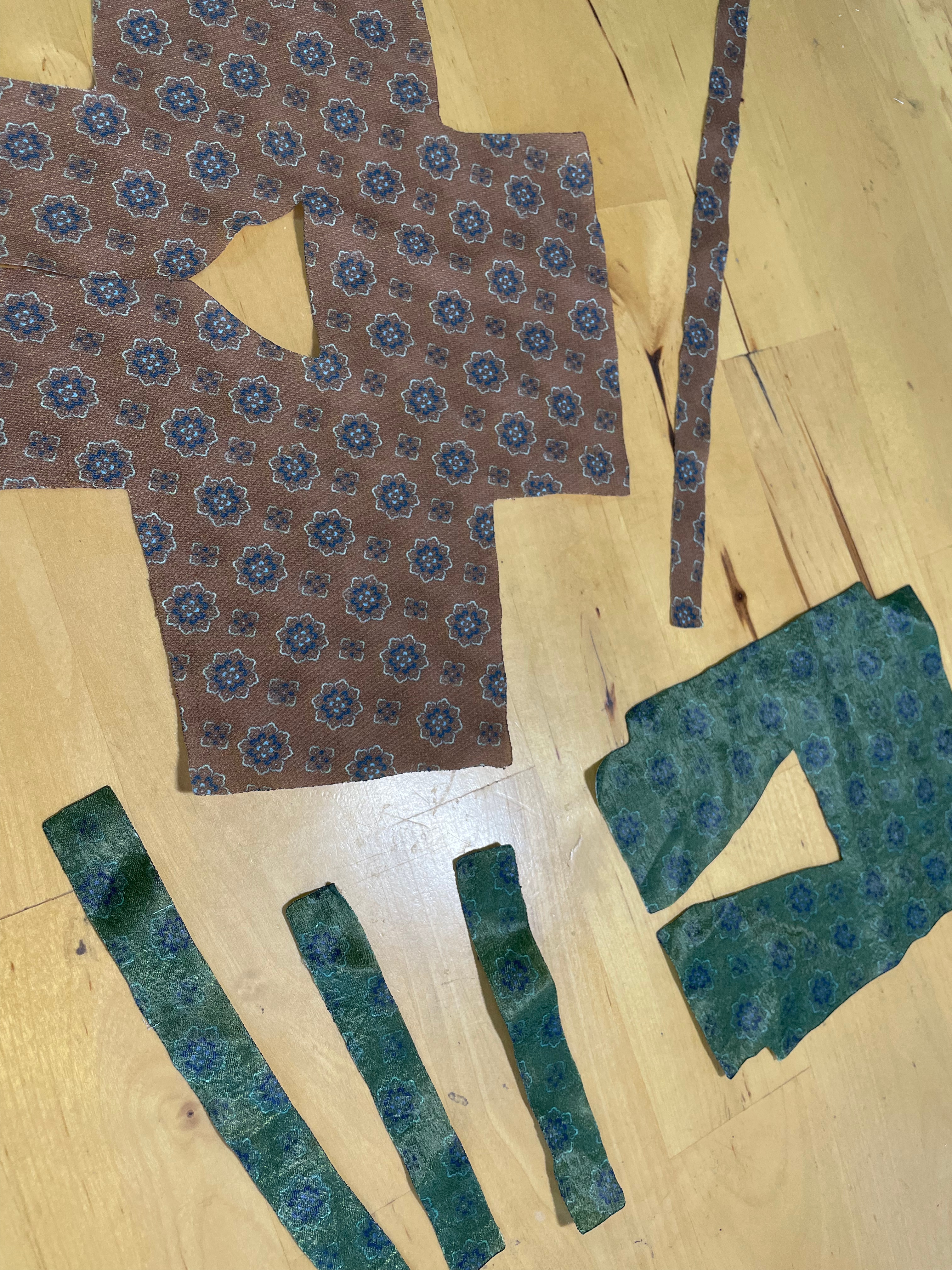
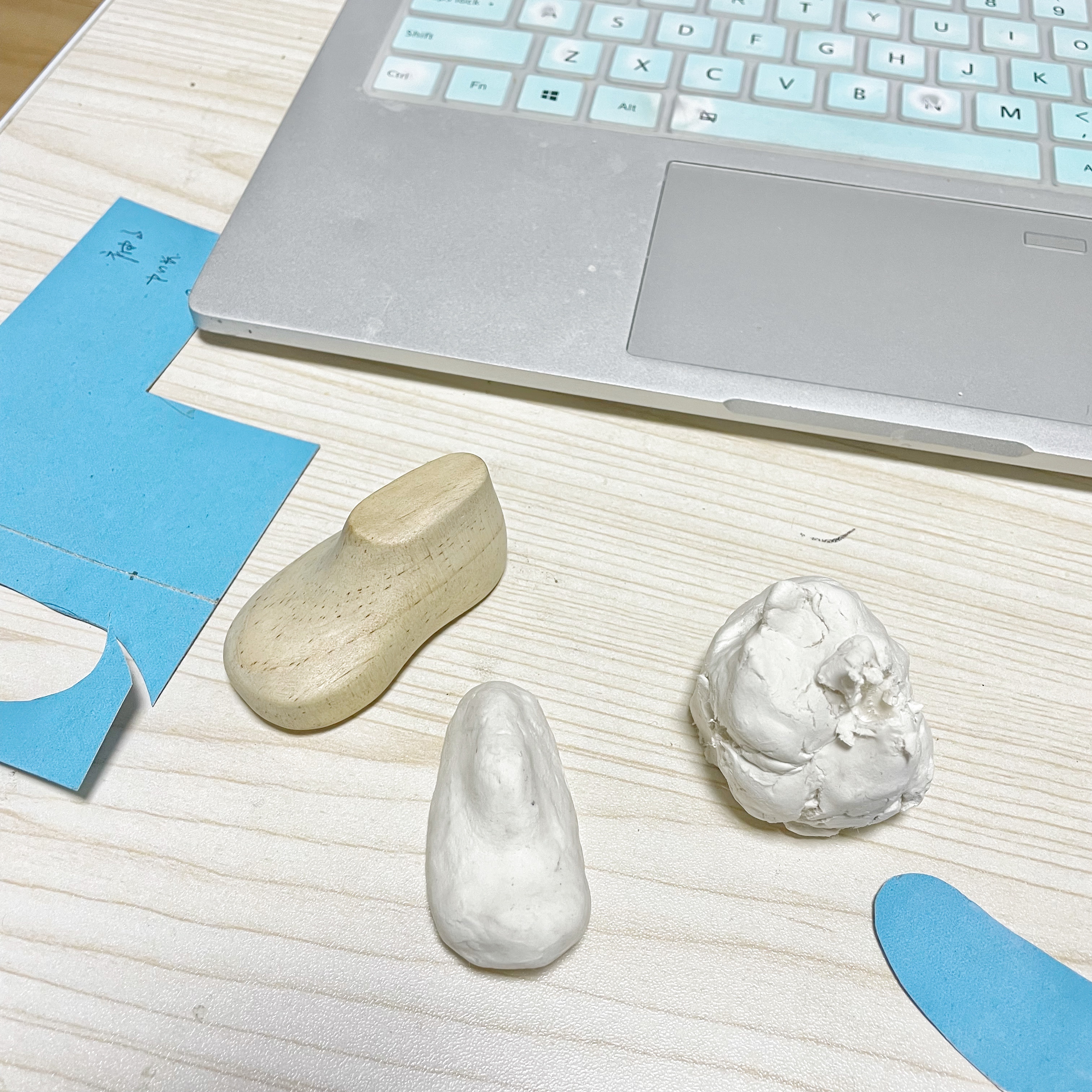
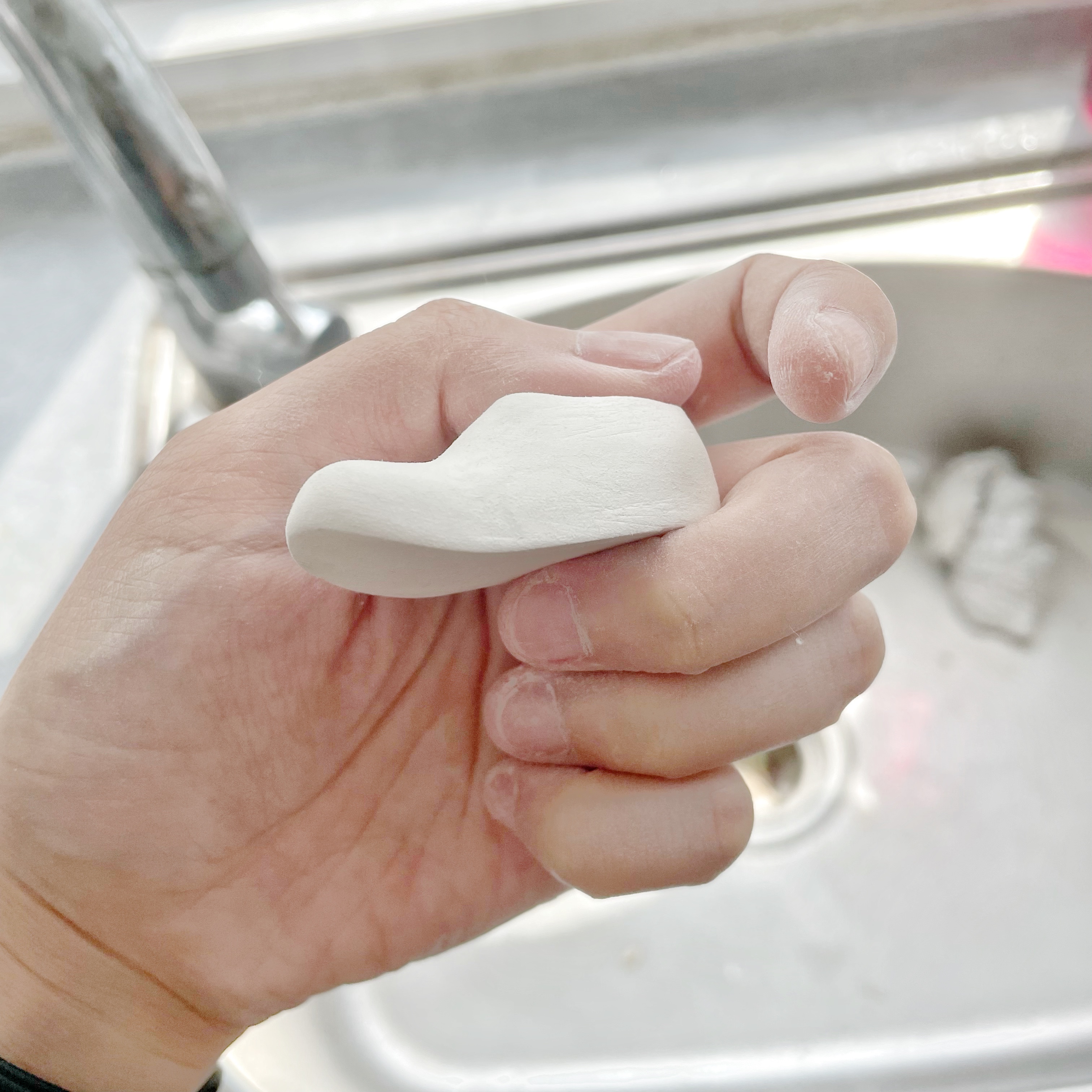
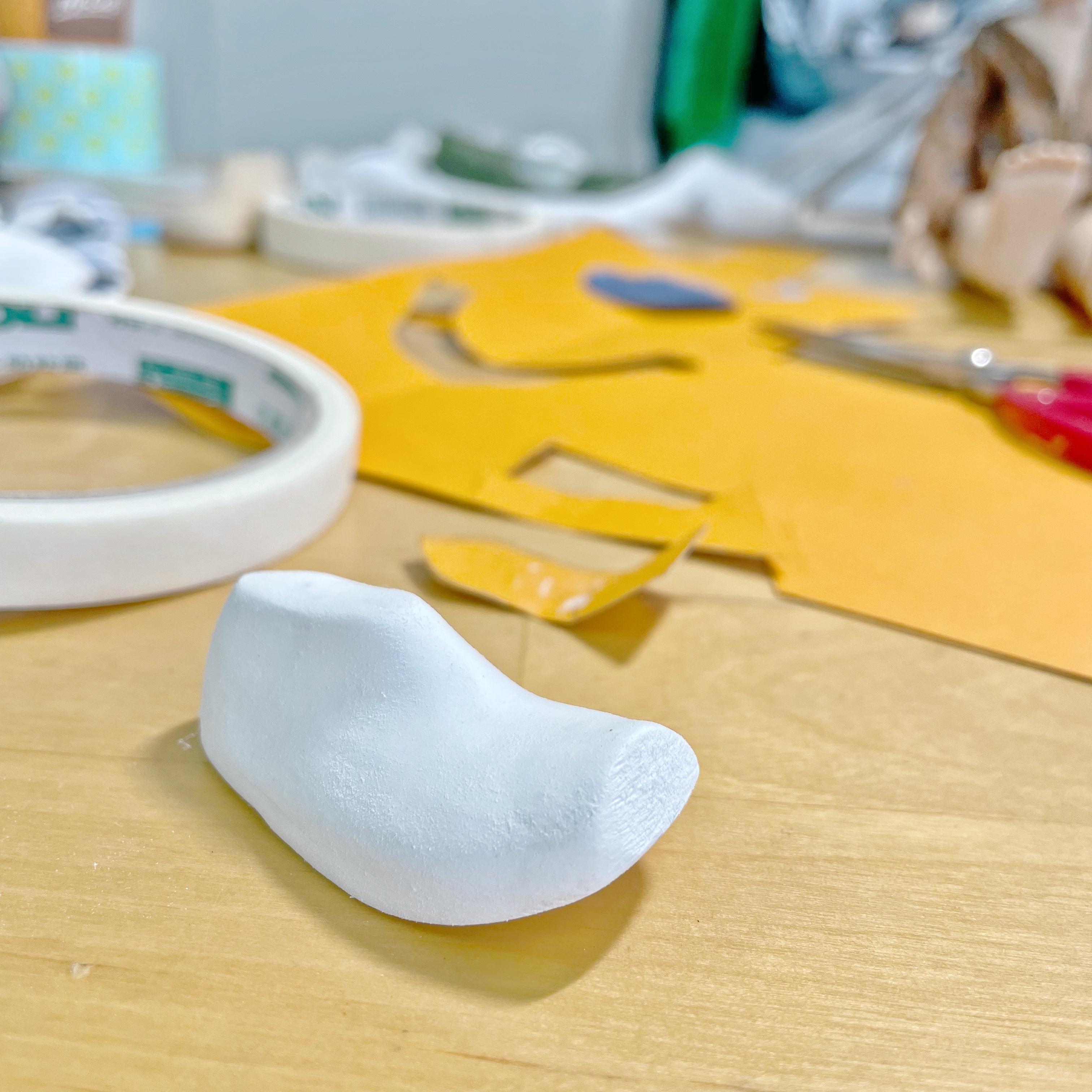
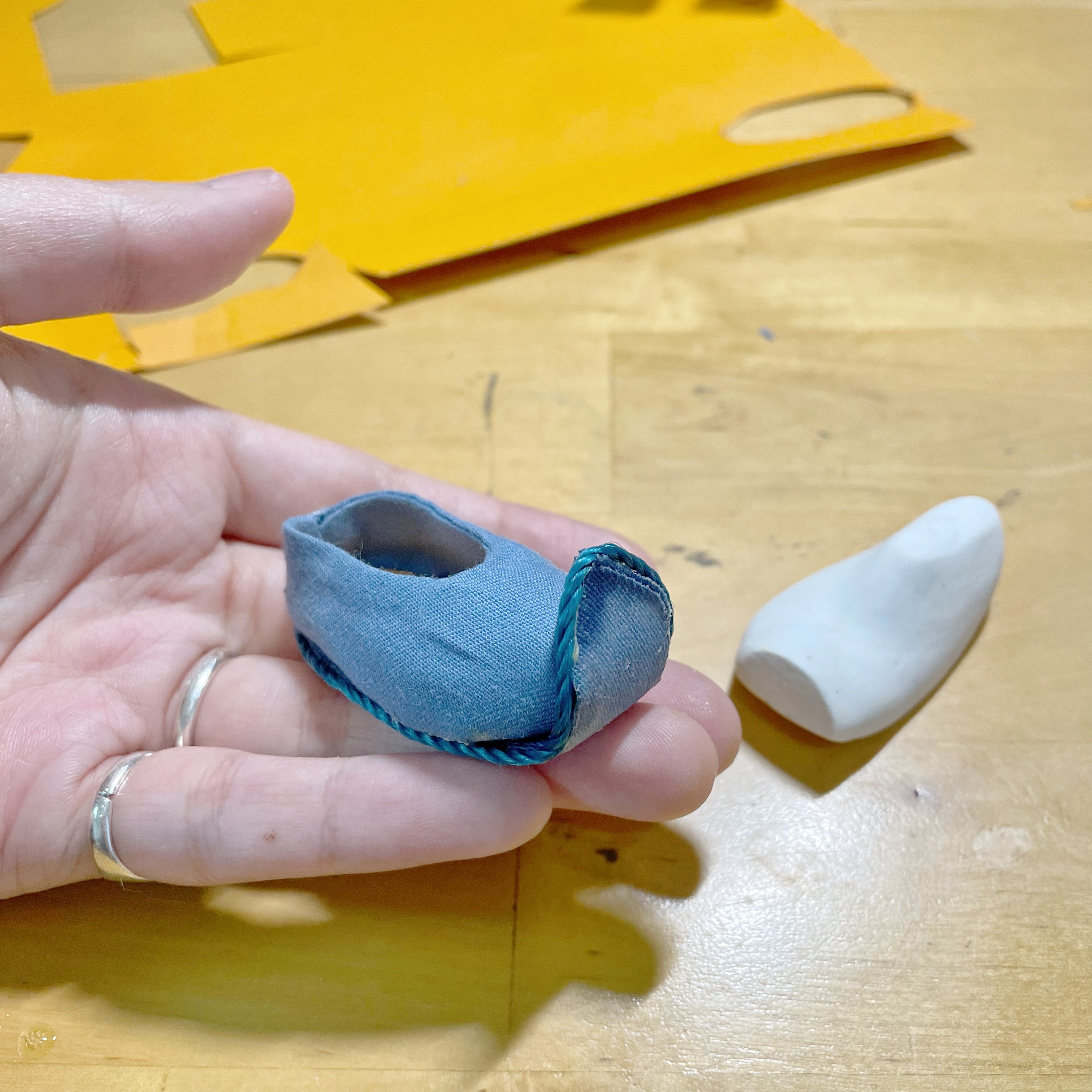
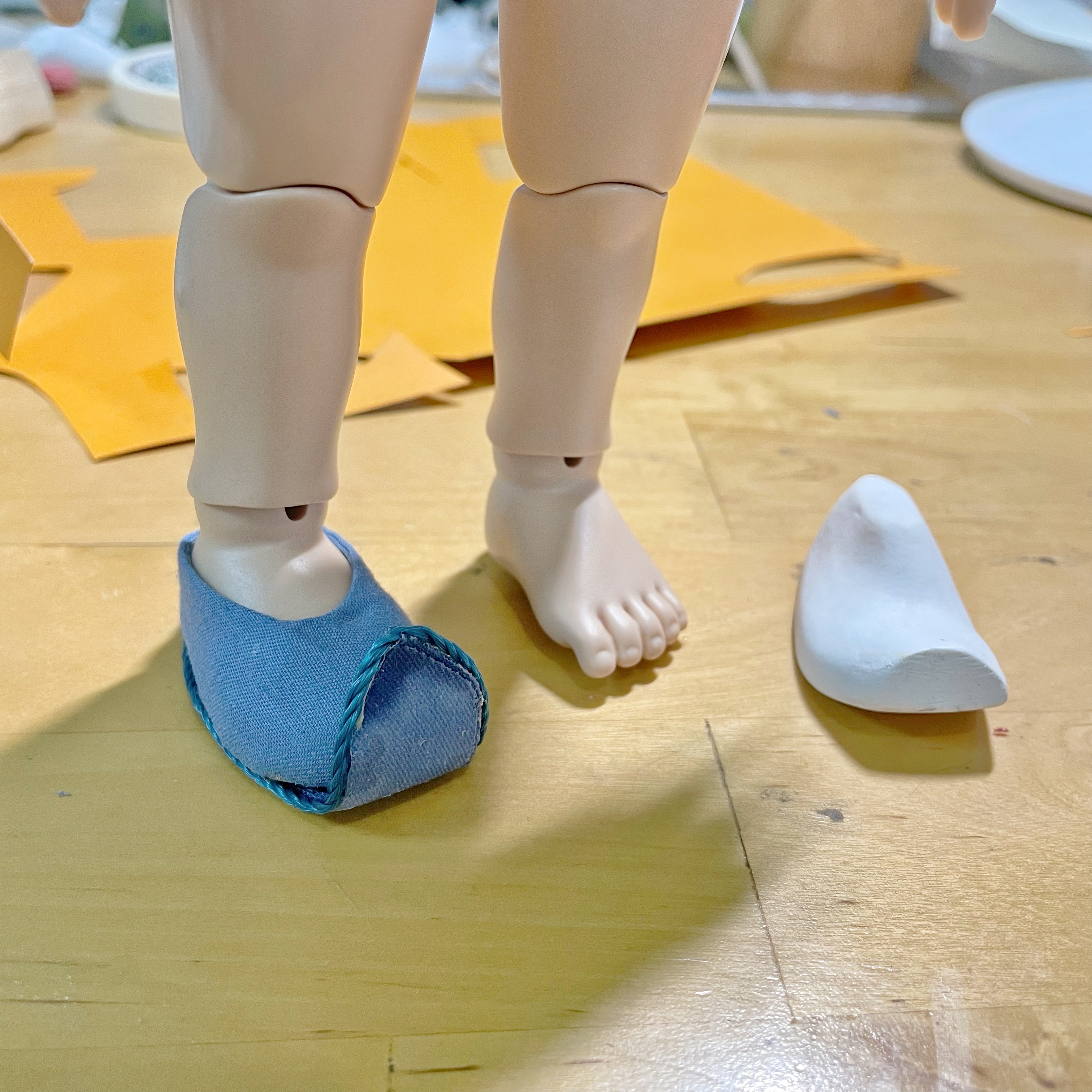
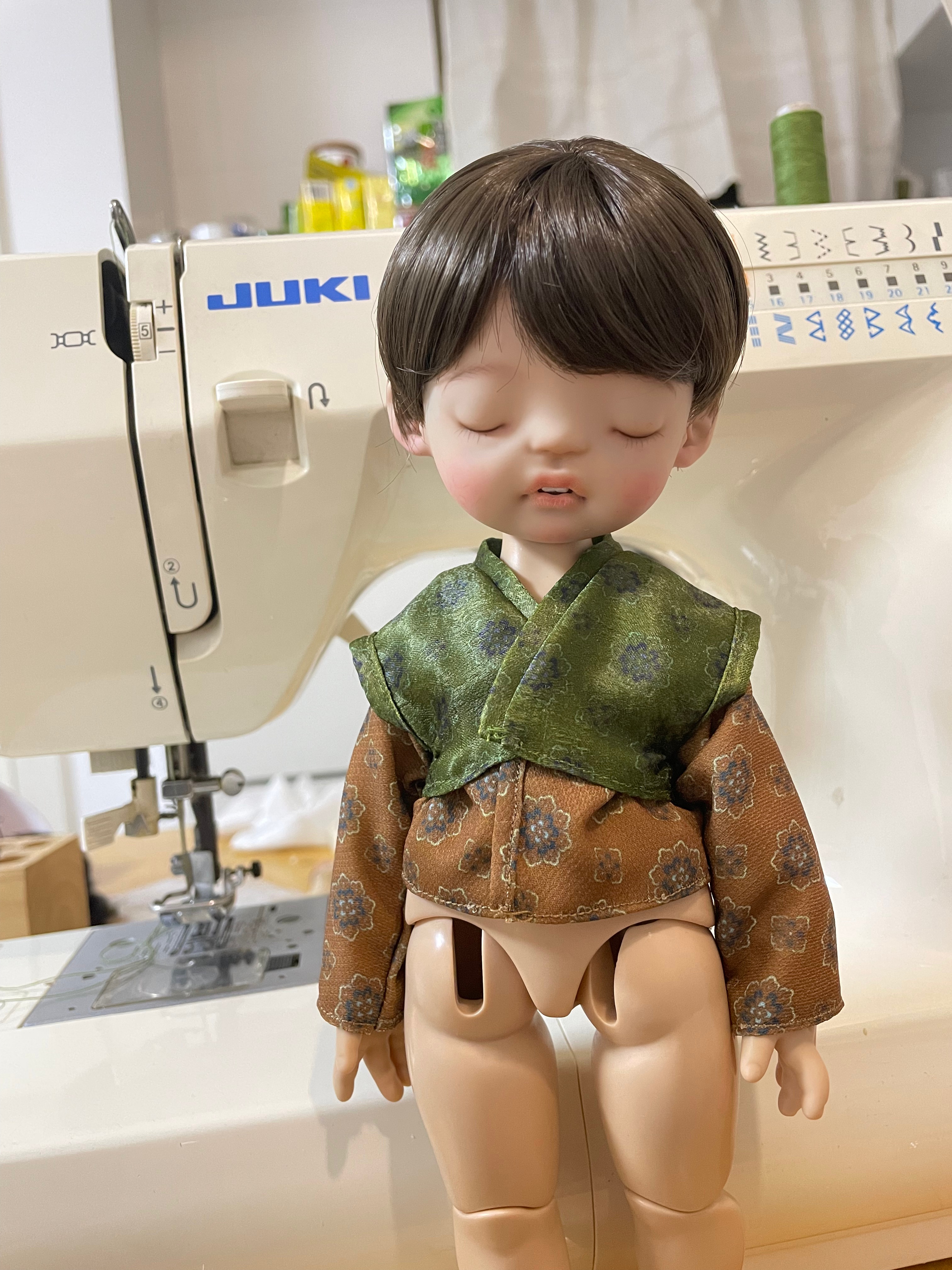
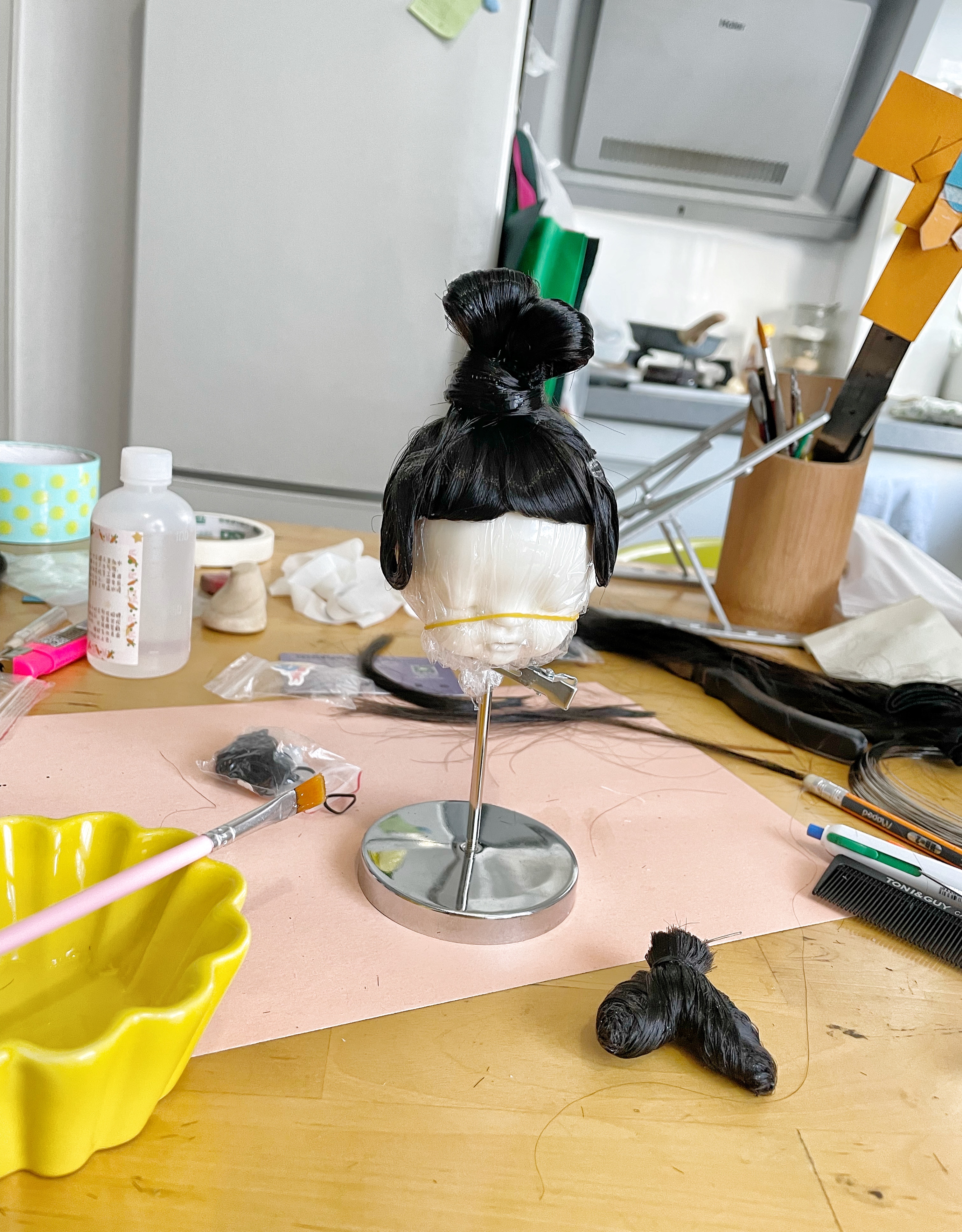
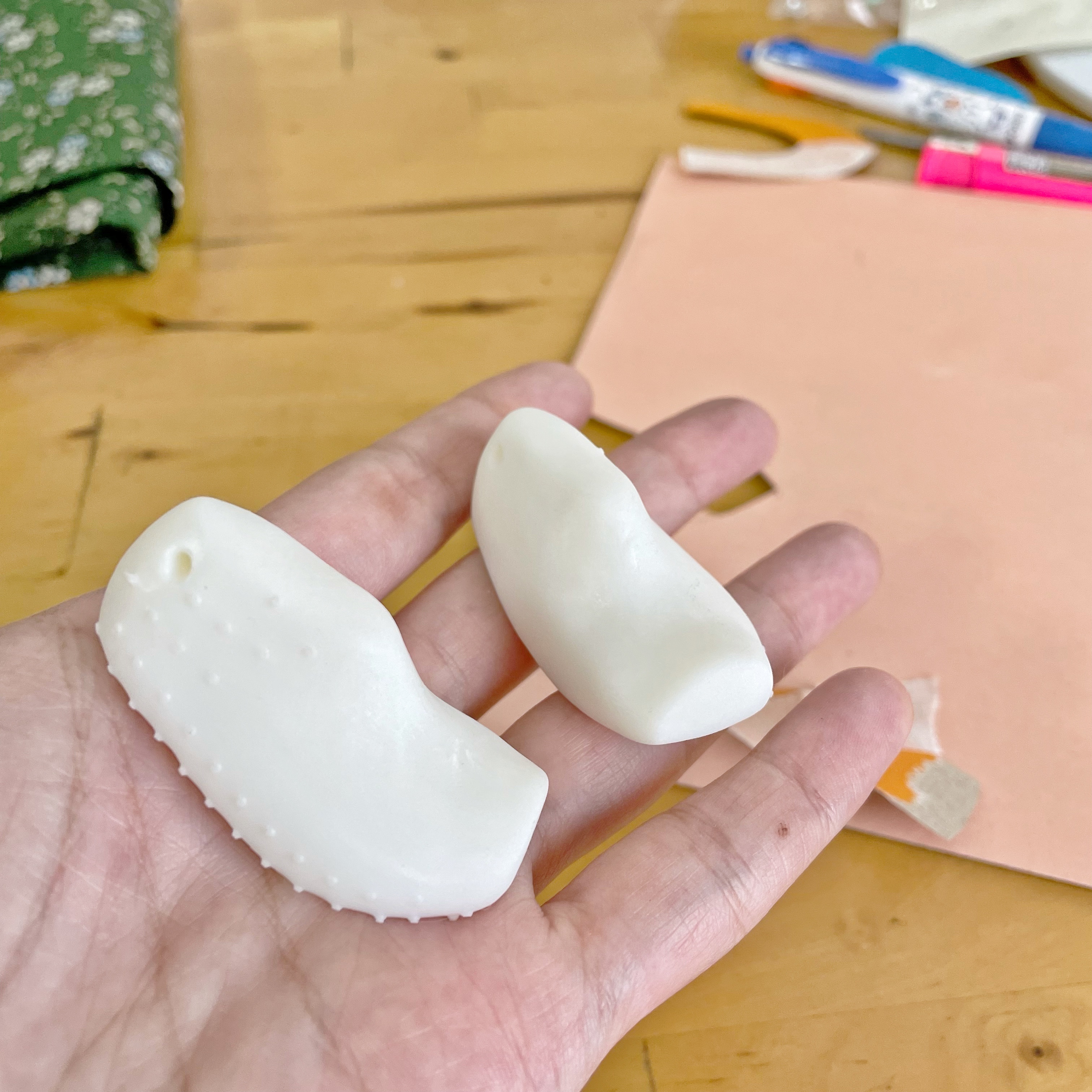
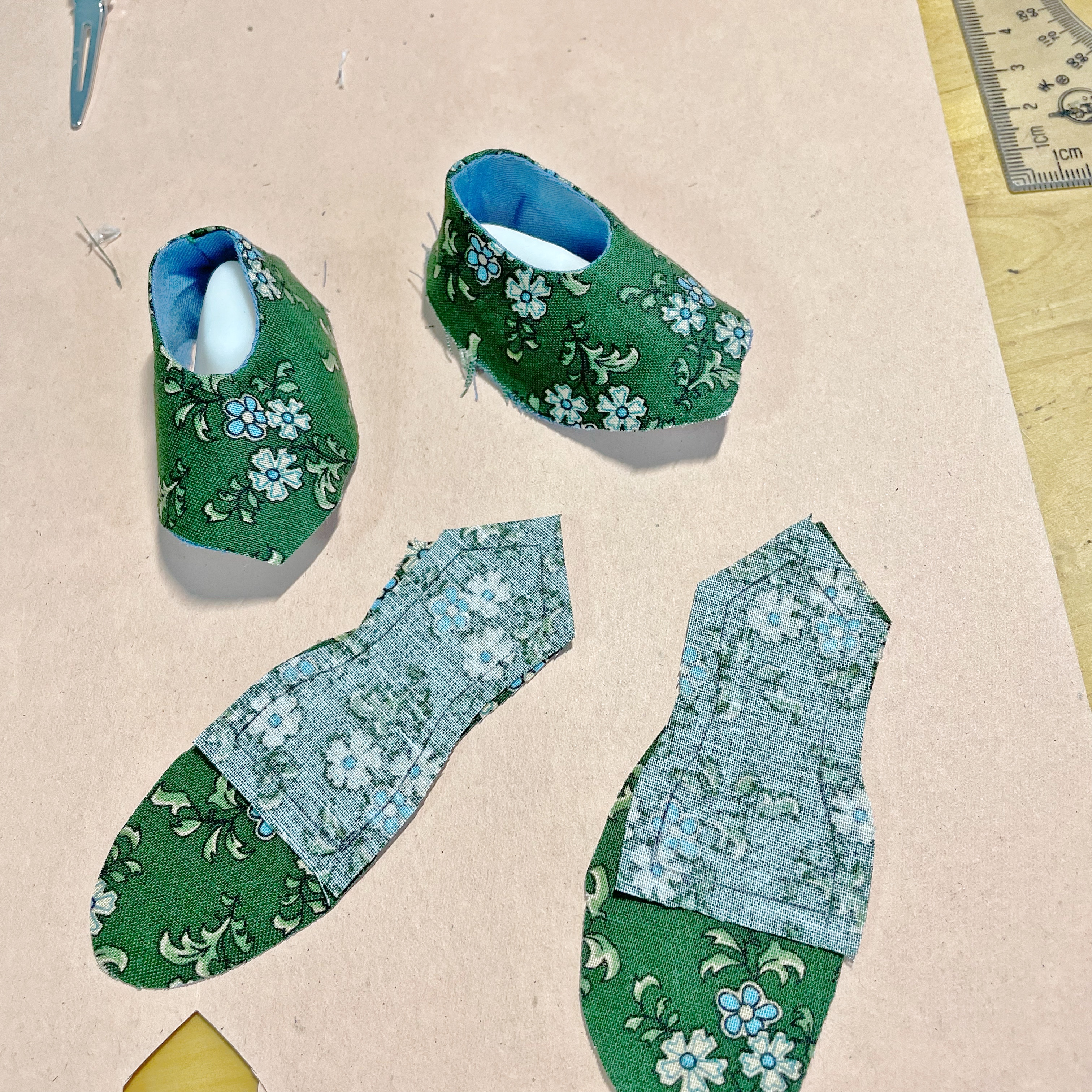
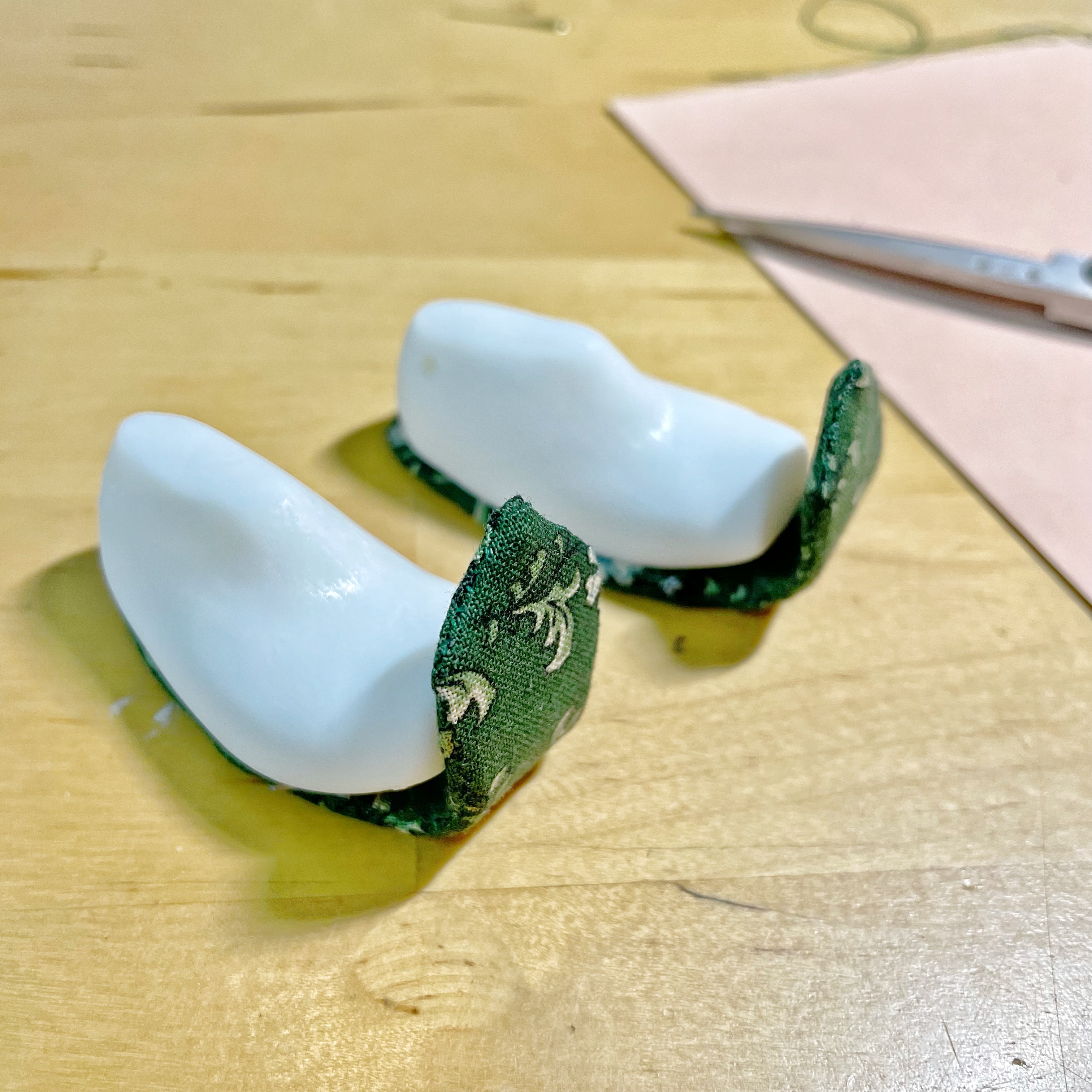
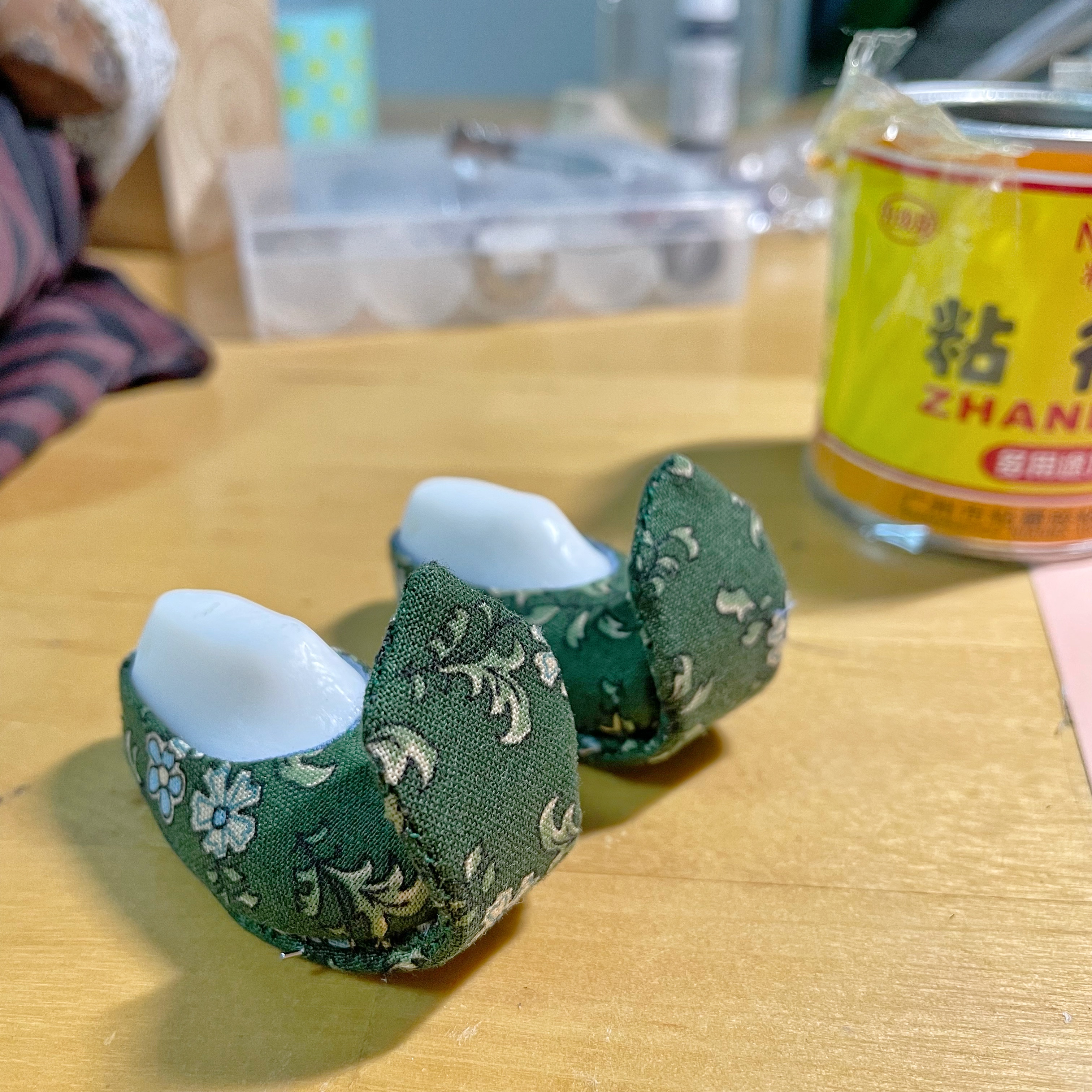
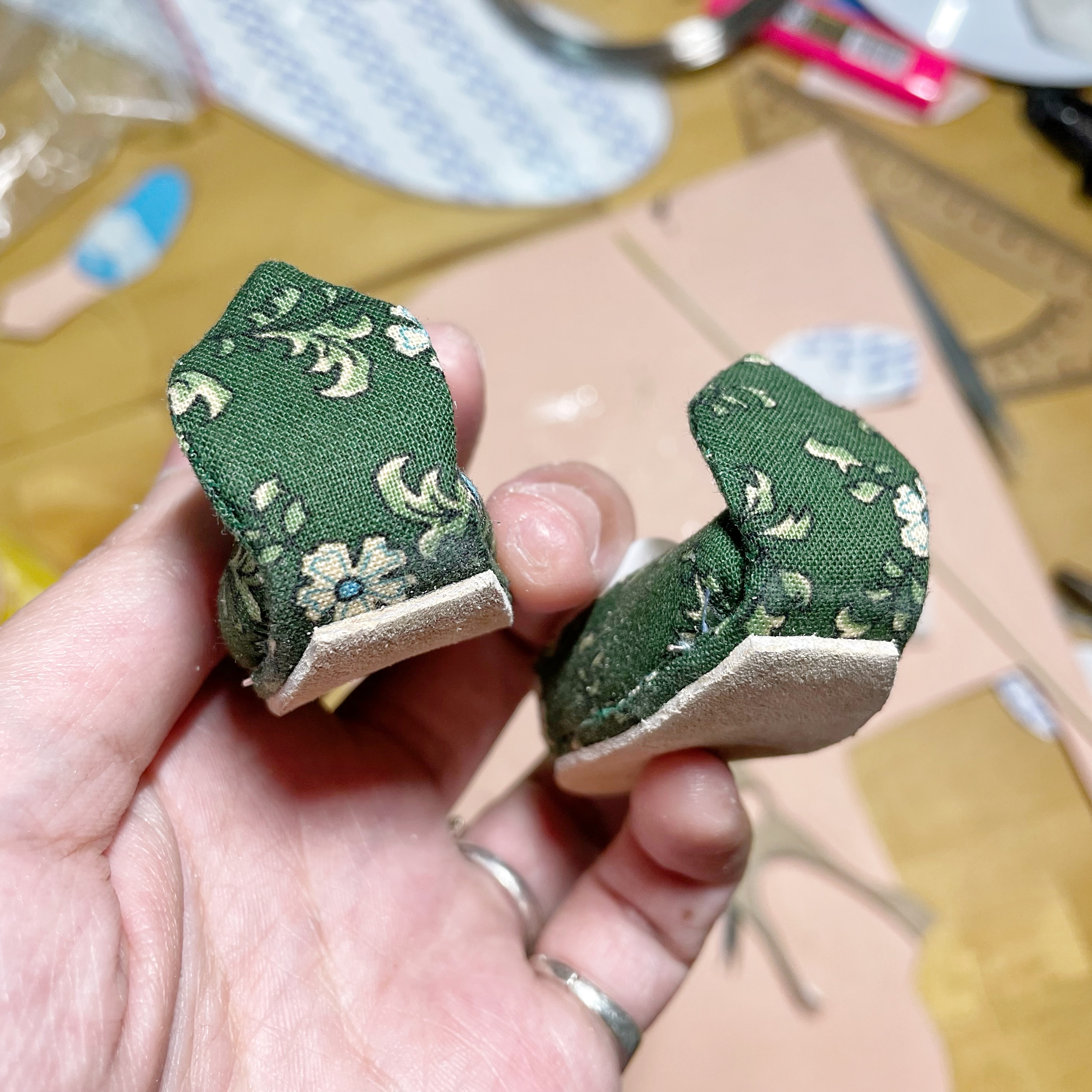
I did extensive research to understand the typical makeup and clothing characteristics of the Tang Dynasty. For example, you can see that I modeled the doll’s attire after the Tang-style ruqun, specifically using a multi-panel construction. This type of skirt was very typical in the Tang Dynasty—at the time, due to the limited width of fabric, skirts often had to be pieced together from multiple panels. The more panels used, the more intricate the craftsmanship, and the more it reflected the wearer’s social status. The doll also wears traditional upturned shoes (qiaotou lü)—a design meant to hold up the hem of the long skirt, preventing the wearer from tripping while walking, combining both practicality and aesthetics. The fabrics used for the doll’s outfit were all custom-made. I found reference images of Tang Dynasty textiles online, then adapted and refined them in an attempt to recreate the Tang aesthetic.
Click here to see her final look!
 Botodoll.art
留下评论